The final full moon of the year — a supermoon known as the cold moon — shone brightly across the world this week.
It follows two other supermoons this year: the harvest supermoon on Oct. 7 and the beaver supermoon on Nov. 5.
A supermoon occurs when a full moon coincides with the moon being at its closest point to Earth in its orbit. The moon, as a result, will appear slightly larger and brighter than usual.
According to the Farmers’ Almanac, December’s full moon is known as the cold moon, “reflecting the frigid season.” The almanac website says it’s “also known as the Long Night Moon (Mohican) because it rises during the longest nights of the year, near the winter solstice, and remains above the horizon for an extended period.”
Supermoons appear only three to four times a year, NASA says. And at its closest point to Earth, the moon can appear up to 14% bigger and 30% brighter than a moon that is farthest away from Earth.
The next full supermoon, also known as the wolf moon “because wolves were more likely to be heard howling at this time,” will happen on Jan. 3.
See photos of December’s dazzling supermoon below.
See more of our photo features on Yahoo News.
latest_posts
- 1
 Pick Your Number one Sort Of Music
 - 2The 3 little words TV fans can't stop obsessing over
- 3Investigating Design and Individual Style: Track down Your Remarkable Look
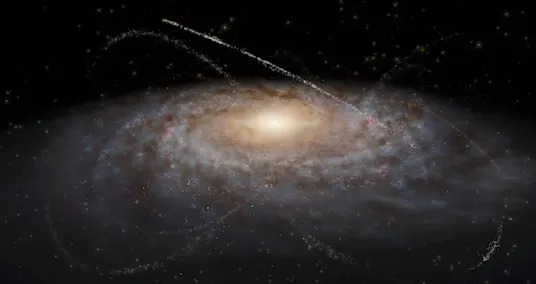
- 4Dozens of hidden star streams found in the outskirts of our Milky Way galaxy
- 5Scientists detect X-ray glow from interstellar comet 3I/ATLAS extending 250,000 miles into space




- Unwind: Four Extraordinary Spa Resorts On the planet
- 9 Under-The-Radar Malaysian Islands To Consider Instead Of Thailand Or Indonesia
- Twins were the norm for our ancient primate ancestors − one baby at a time had evolutionary advantages
- Find the Excellence of Old style Expressive dance: Encountering the Effortlessness and Polish of Dance
- Surveys of Music Collections by Film Stars
- Tickets for 'Stranger Things' Season 5 finale, to be shown in movie theaters on New Year's Eve, go on sale today. Here's how you can save your seat.
- World’s tallest bridge and biggest museum named ‘greatest places of 2026’
- Chicago reports first rabies-positive dog in 61 years. What we know.
- Nurturing Hacks: Shrewdness from Experienced Mothers and Fathers