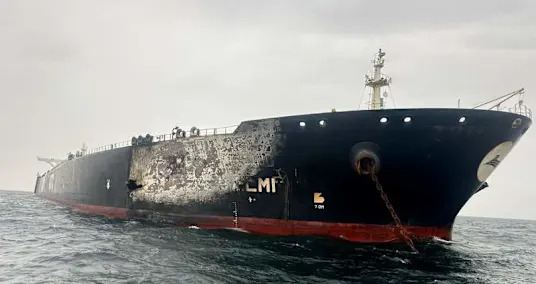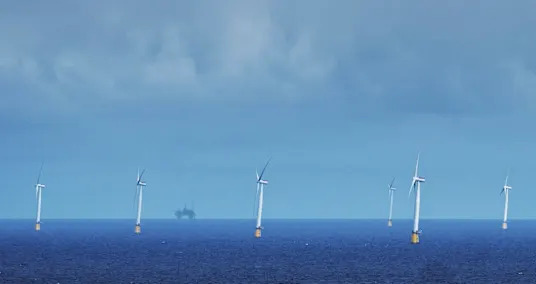
The deepening energy crisis triggered by the US-Israel war with Iran has thrust energy security back onto the political stage in European countries — and widened fault lines along with it.
In the UK — which is particularly vulnerable because of its imports of gas, and which suffered hefty price rises following Russia’s 2022 invasion of Ukraine — attention this time has shifted from diversifying supply away from single countries to a broader push to move beyond fossil fuels, said Annabel Rice, a senior political adviser at the Green Alliance, a London-based think tank. Or at least, that’s the takeaway the governing Labour Party seems to have settled on, casting renewables as more insulated to oil price shocks.
France is similarly leaning towards reducing reliance on hydrocarbons. The country’s prime minister has tasked his cabinet with identifying priority actions to electrify the economy. Others in Europe, such as Italy, have so far opted to double down on fossil fuels to cushion the blow from surging electricity bills. The UK’s opposition Conservative Party is pitching a similar idea, launching a “Get Britain Drilling” campaign this week, pressing to reverse the country’s ban on North Sea oil and gas licenses and claiming it would cut bills significantly.

latest_posts
- 1
 Posts falsely claim Malaysian minister to relocate public hospital for temple
 - 2A definitive Cruiser Standoff: Decision in favor of Your #1 Ride
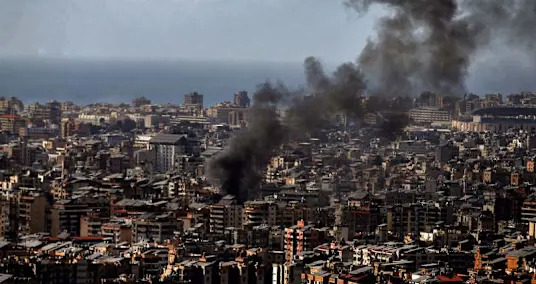
- 3At least 7 dead as Israel renews attacks on Beirut and across Lebanon
- 4Study shows no clear link between low-fat dairy and dementia risk
- 5The most effective method to Plan an Incineration Administration: A Bit by bit Guide.



- What causes RFK Jr.’s strained and shaky voice? A neurologist explains this little-known disorder
- Are Saturn's rings made of a lost, shattered moon? New evidence arises for the case
- ‘More should be done’: UN pushes Syrian regime on justice for Druze, Alawites and minority groups
- How comfort foods trigger pleasure in our brains
- Gulf countries continue to face Iran attacks as criticial energy infrastructure at risk
- 6 Modest and Strong Tire Brands
- The most effective method to Augment Benefits in Gold Speculation: Systems and Tips
- Geminid meteor shower, one of the year's most reliable, peaks this weekend
- A Manual for the Right SUV for Seniors